Her leadership model inspires other women to raise their voices, take risks, and build on purposeful innovation
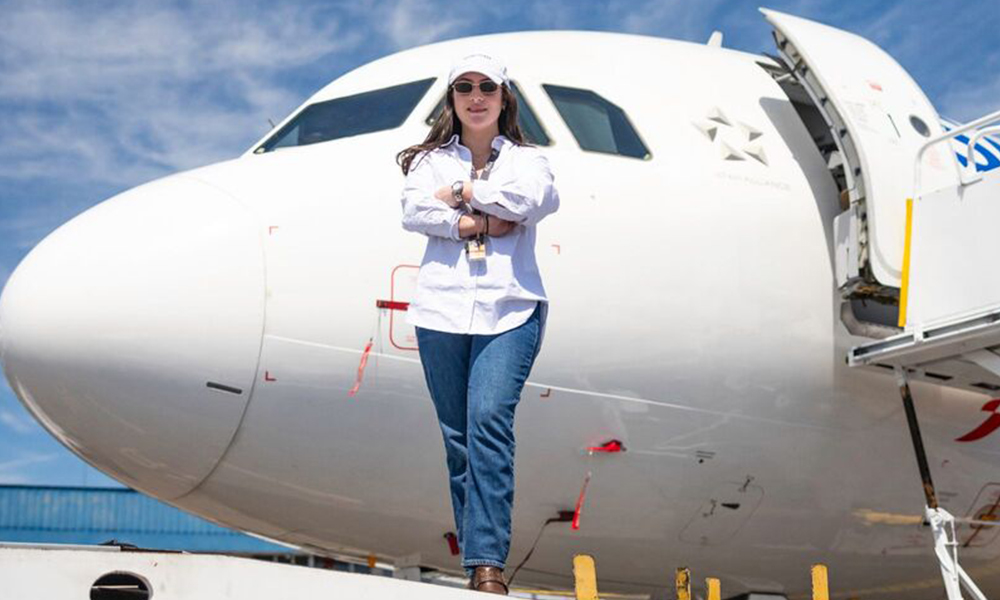
Immersed in an increasingly uncertain global environment, marked by the slowdown in international trade and the need for productive restructuring, figures are emerging who, far from being paralyzed, are catalyzing change. One of them is Adriana Parker, executive director of Aerocluster El Salvador, a strategic association that promotes the development of the aeronautical and aerospace industry in the country.
Triple helix strategy: public, private, and academic
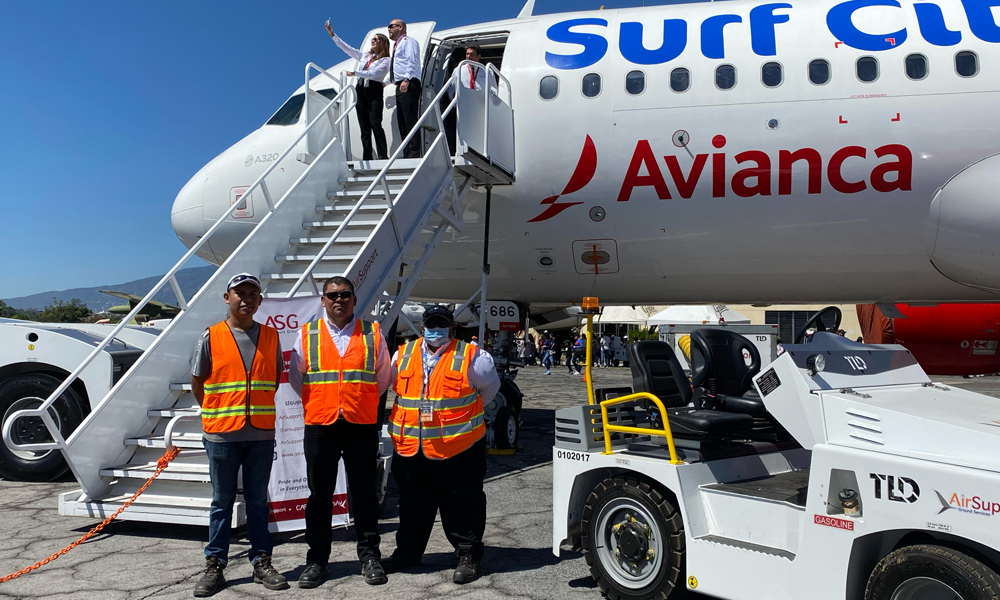
From Aerocluster, she leads a strategy based on the triple helix model, which integrates the efforts of the public, private, and academic sectors. This approach seeks to turn El Salvador into a regional hub for the aeronautical industry, taking advantage of its strategic location, the strength of players such as Aeroman, Avianca, and Aristos Inmobiliaria, and the academic contribution of institutions such as ITCA-FEPADE, Don Bosco University, and Aerotech.
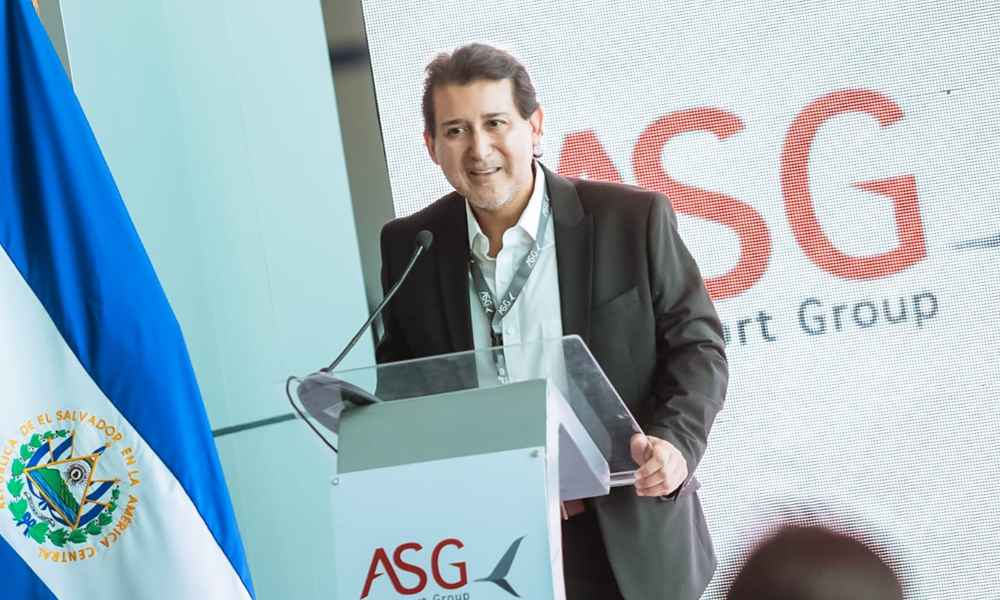
With a long-term vision and an innovation-oriented approach, Parker is establishing herself as a leader in the Salvadoran and regional aeronautical ecosystem because, in addition to her role at Aerocluster, she also serves as Corporate Affairs Manager at AirSupport Group—one of the cluster’s founding companies—and as Executive Director of the Chamber of Professional Training Centers of El Salvador.
International recognition for transformative leadership
Her experience and leadership are positioning her as a business development advisor in Latin America, Europe, and the Middle East, always with a focus on social transformation, employability, and education for development. This cross-cutting leadership ability has earned her the “Transformative Woman Leader” award in the Innovation and Excellence category, presented by INCAE and Awards of Happiness.
The award recognizes courageous individuals who are committed to organizational happiness as the cornerstone of sustainable growth. And it is precisely in this vein that Parker is building her legacy: based on the balance between productivity, talent development, and human well-being.
“In a ‘gloomy’ environment, whether economic, social, political, or of any other kind, we must recognize the component of uncertainty, both individual and collective, and not become paralyzed,” she says. In the face of chaos, her leadership philosophy combines agility with purpose. According to her, “making agile decisions means having a clear vision, maintaining constant communication, and having the ability to prioritize.”
Collective talent: the magic of aligning skills
One of the pillars of her leadership is the concept of “collective talent,” which she defines as the ability to harmonize and align skills and motivations toward a common goal. “I devote tremendous effort to identifying the unique qualities of each person or organization and activating different strategies to align motivations and interests toward the same goal… it’s a challenge, but the result is pure magic,” Parker says.
This approach is even more relevant in an industry such as aeronautics, which demands high standards of quality, multisectoral coordination, and a culture of continuous improvement. Parker has been key in generating synergies between sectors and preparing the country to integrate into global value chains in this area.
However, the road has not been without challenges. Despite her international recognition and extensive experience, Parker acknowledges that leading as a woman still involves additional complexities. “I have a baby and I want to be his full-time mom, but at the same time I devote a lot of energy to my professional projects, and I also prioritize my marriage to keep our family strong and united. That’s why it’s important to delegate and build a team at work and at home,” she shares.
She also points out that many women face imposter syndrome, which limits their professional growth. Added to this is the scarcity of female mentorship in leadership positions. “Women in leadership positions must open up opportunities and empower the talent of other women so that, one woman at a time, we can transform the world,” she states with conviction.
Women leaders as catalysts for collective talent
Adriana firmly believes in the transformative power of women leaders, especially because of their ability to mobilize collective talent. “Overcoming apathy and inspiring others to take action” is one of the natural advantages that many women possess, and one that should be put at the service of their teams and communities.
“We are catalysts for making things happen, and we are a source of energy,” she says with determination. This positive, pragmatic, and deeply strategic vision has made Parker a key figure not only in the aeronautics industry but also in the discussion of female leadership in highly technical sectors.
Adriana Parker represents a new generation of leaders who understand that industrial development is not built solely on investments in infrastructure, but also on vision, collaboration, and aligned human capital. Her leadership model inspires other women to raise their voices, take risks, and build from purposeful innovation.
With an agenda that combines business competitiveness, human talent, and social transformation, her work at the Aerocluster is a concrete commitment to turning El Salvador into an emerging power in the aerospace sector in Latin America. And, at the same time, to building a more empathetic, resilient, and deeply human business culture.
Frequently asked questions (FAQs)
How does Adriana Parker contribute to the development of the aeronautical industry in El Salvador?
Adriana Parker drives the growth of the sector through the Aerocluster, promoting alliances between companies, academia, and government. Her strategic approach seeks to position El Salvador as a regional hub, strengthening innovation, talent, and integration into global value chains.
What is the triple helix strategy and how is it applied in the Salvadoran aeronautical industry?
The triple helix strategy combines efforts from the public, private, and academic sectors to foster innovation and competitiveness. In El Salvador, this methodology coordinates companies such as Aeroman and Avianca with universities and technical training centers to generate synergies and develop specialized talent.
What are the advantages of female leadership in technological sectors such as aeronautics?
According to Adriana Parker, female leadership mobilizes collective talent, inspires action, and encourages collaboration. Women leaders bring strategic vision, resilience, and the ability to harmonize diverse skills, which are key elements for industries that require multisectoral coordination and high quality standards.
Why is mentoring and support among women key to transforming industries?
The lack of female mentoring limits professional growth and women’s participation in leadership. Parker emphasizes that opening up opportunities and empowering other women’s talent strengthens teams, generates innovation, and makes social and business transformation more inclusive and sustainable.
What does “collective talent” mean and how does it apply to aeronautical projects?
Collective talent is the ability to align skills, motivations, and efforts toward common goals. In the aeronautical industry, it allows different actors—companies, academic institutions, and government—to coordinate, achieving efficiency, innovation, and competitiveness in complex projects.
How can El Salvador become a regional hub for the aerospace industry?
The country can position itself as a regional hub by combining strategic location, investment in specialized talent, multisectoral collaboration, and visionary leadership. Initiatives such as Aerocluster, led by Adriana Parker, seek to integrate companies, academia, and government to attract investment and consolidate a competitive and sustainable industry.